
Surviving the 40°C Peak: Why Split Air Conditioning Helps
March 12, 2026
When a brutal summer hits and mercury soars above 40°C, households and businesses quickly rely on their split air conditioning to keep cool. Air Comfort sees it every year: sweltering temperatures send everyone rushing to crank their units to 18°C, hoping for instant relief. But, ironically, this common habit can leave you sweating, literally, with the all-too-familiar “icing up” drama as your split air conditioning in Crows Nest, NSW, freezes solid just when you need it most.
Understanding the Freeze-Thaw Paradox & Split Air Conditioning
Whether you are renting a studio or own a peaceful townhouse, you may have noticed your split air conditioning starting to lose its punch right in the middle of a heatwave. Why does this happen? The answer lies in a phenomenon technicians call the “freeze-thaw paradox”.
Here’s the gist: when you set your split air conditioning system to 18°C and leave it running flat out during extreme heat, the indoor evaporator coils can get so cold that condensation on them freezes. Any airflow restriction, whether from a dirty filter, obstructed vents, or just the sheer effort of keeping up with the outside temperature, causes that cold air to linger too long on the evaporator. The result? Frost builds up and blocks the airflow, further cooling the coil and causing even more freezing.
It’s a vicious cycle. Instead of circulating a steady stream of cool air, your system ends up “icing up”, struggling inefficiently, and eventually shutting down as a block of ice traps the coil.
The Immediate “Fix”: Fan-Only and Reset
So what do you do when your air conditioner freezes at the worst possible time? Local residents who call Air Comfort often report a noticeable drop in blowing power or visible ice forming along the inside panel. The temptation is to turn the unit off and panic, but there’s a smarter approach.
First, switch your split air conditioning
over to ‘Fan Only’ mode. This circulates room-temperature air over the frozen coil, gently thawing it out without causing water leaks or damage. Leave it running this way for at least two hours, or longer if possible. Resist the urge to go straight back to cooling mode to speed things up; slow, thorough thawing is key.
Once the airflow returns to normal and any condensation has drained away, reset the temperature, not to 18°C, but to a sensible 24°C. The difference in comfort is surprisingly small, but this allows your system to run efficiently without the risk of refreezing, especially during a Crows Nest, NSW, scorcher.
The Role of Airflow in Small Crows Nest, NSW, Flats
Many Crows Nest, NSW, residents live in compact apartments, where airflow dynamics are even more critical. Tiny stairwells, internal doors, and tight window spaces can drastically restrict the amount of air passing through your split air conditioning unit. When the system can’t “breathe”, it is much more likely to freeze up.
There’s a simple preventative solution: every Air Comfort technician recommends a mid-heatwave filter rinse. Pop open the front panel of your split system, gently remove the dust filter, and give it a quick rinse under the shower or tap. Let it dry completely in the shade, then pop it back in. You’ll be amazed how much extra power and efficiency this adds. Plus, your room will stay fresher and allergy-free.
Blocked filters are the number one reason for frozen coils in Crows Nest, NSW, units. Even if you’re renting and not due for a professional air conditioning service, this five-minute trick could save your summer and your cooling bill.
How to Spot Early Warning Signs
Your split air conditioning usually gives a warning before it ices up completely. Is it suddenly blowing out warm air instead of icy relief? Does your remote seem sluggish, or does the system start and stop randomly? Ice forming on the pipes or the indoor unit is another clear indicator.
If you notice any of these, act fast. Switching to ‘Fan Only’, rinsing your filter, and shutting internal doors to keep cool air in the spaces you need it most can often forestall a complete system shutdown. Keeping ceiling fans on low helps too, distributing cool air evenly and preventing hot spots near the ceiling.
For even more tips, see our comprehensive split air conditioning fact sheet
.
When to Call for Professional Air Conditioning Service
Some problems go beyond a DIY fix. If you’ve tried all the above and your split air conditioning system still freezes, makes strange noises, or leaks water while running, it’s best to book a professional air conditioning service. Long-term neglect can lead to compressor failure, gas leaks, and expensive component replacements.
Air Comfort’s skilled team operates locally in Crows Nest, NSW, with rapid turnaround and same-day support where possible. Our experts have seen every brand, model, and setup, so you can count on quick diagnosis and honest solutions without the drama.

The Secret to “Ice-Free” Comfort All Summer
In 40°C heat, a clear strategy beats sheer power every time. Remember: split air conditioning works best when set sensibly around 24°C, with regular filter attention and awareness of airflow blockages. Avoid those tempting all-night “cold blasts” (you don’t want to wake up to a frozen system at dawn), and don’t forget to treat your air conditioner to a yearly professional check-up. Besides prolonging its life and keeping power costs down, annual maintenance can catch hidden issues before they become an urgent call-out.
Contact Us for Your Air Conditioning Needs Today!
Ice on the air con this summer? You’re not alone. When it comes to split air conditioning in Crows Nest, NSW, Air Comfort is ready to help keep your cool intact! For ice-free performance, honest advice, and same-day support, contact
Air Comfort. Don’t sweat through another 40°C peak. Call the local experts and breeze through the summer in perfect comfort.
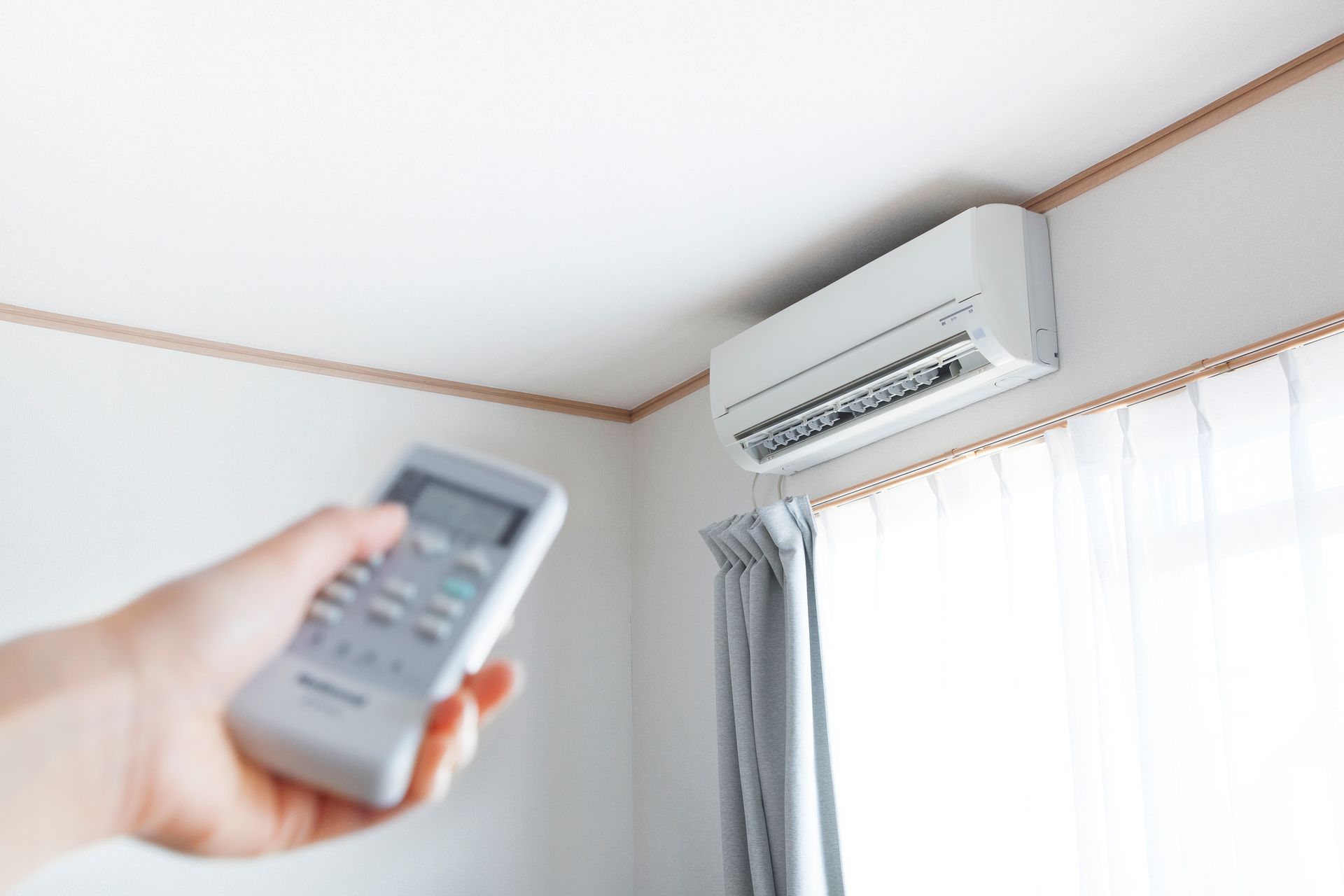
Explore the benefits of split air conditioning in Crows Nest, NSW for your home or business. Give Air Comfort a call on 02 9439 3346 for a smooth installation!
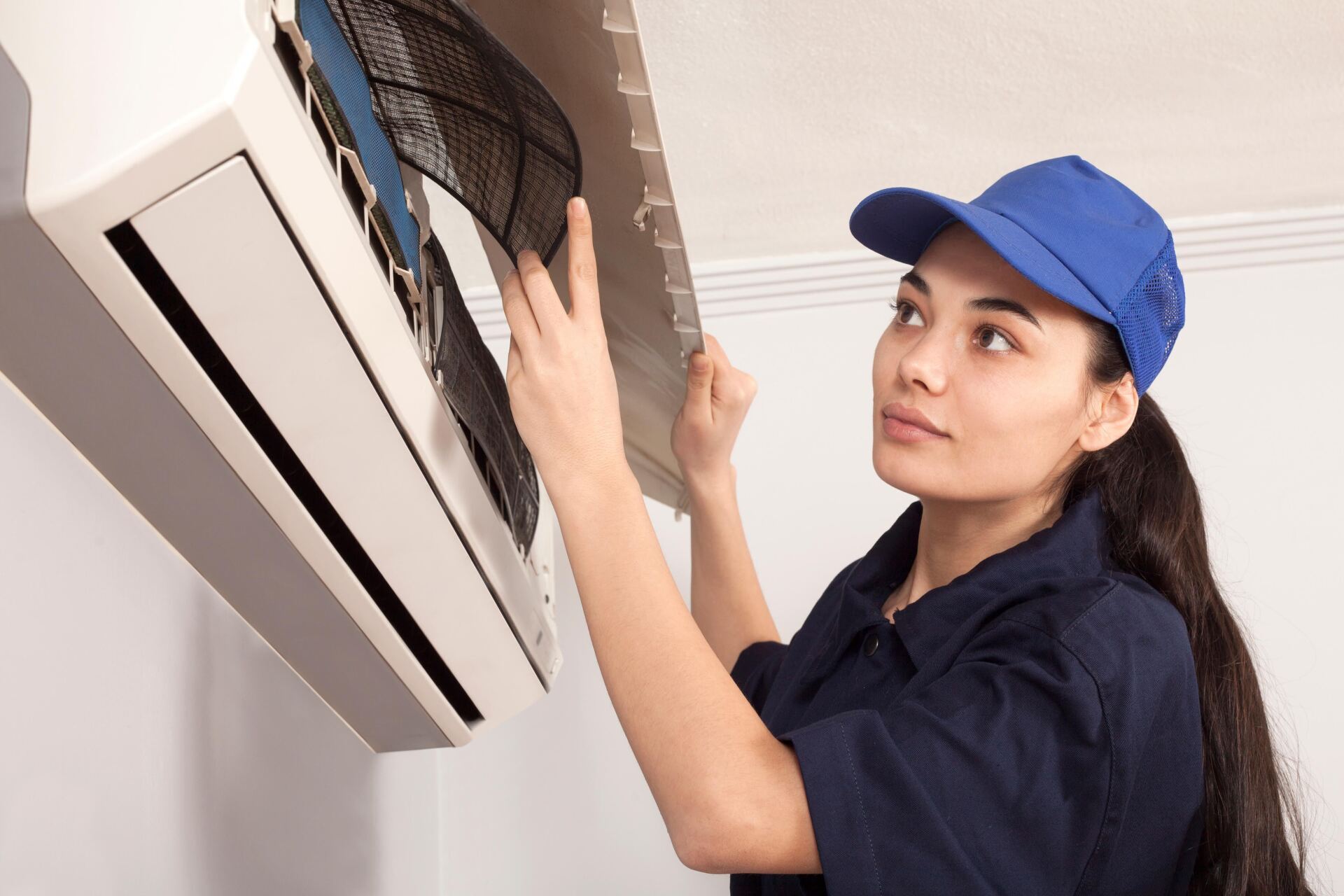
How do you justify the cost of a new air conditioning system? Read this blog to learn three reasons that justify an HVAC system upgrade.
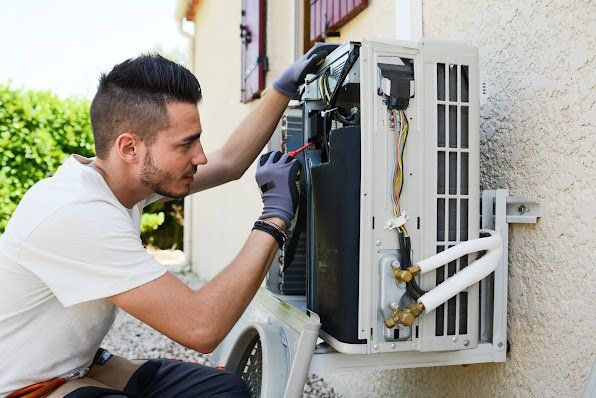
Your air conditioner will only last long if you take good care of your unit. If you want it to last for years, pay close attention to the following parts.
You could buy a home without an AC system or one that needs a new AC system. Discover what to consider when purchasing a residential AC system.
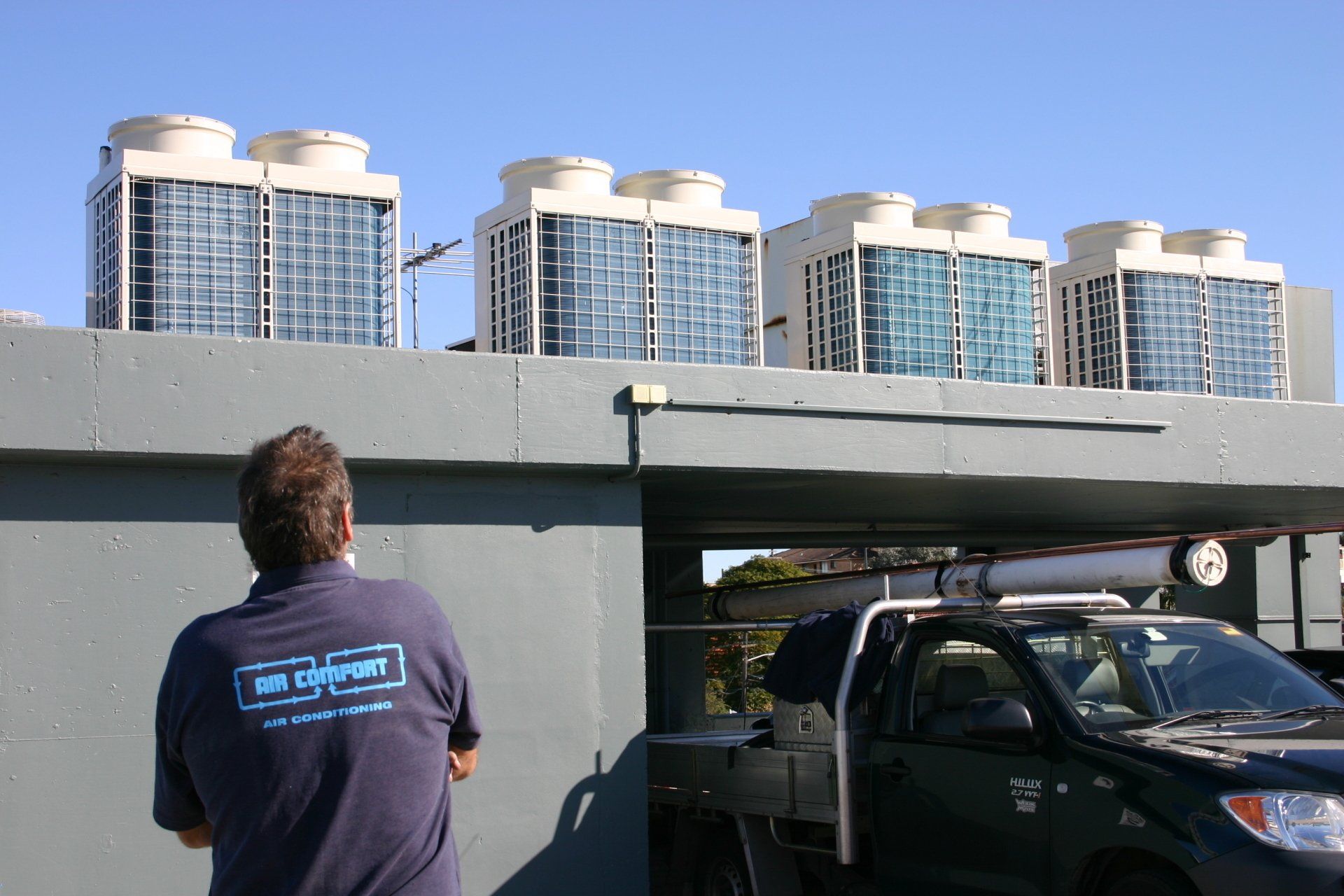
HVAC systems are often a must-have in any modern commercial building. Discover factors to consider when installing a commercial air conditioning system.
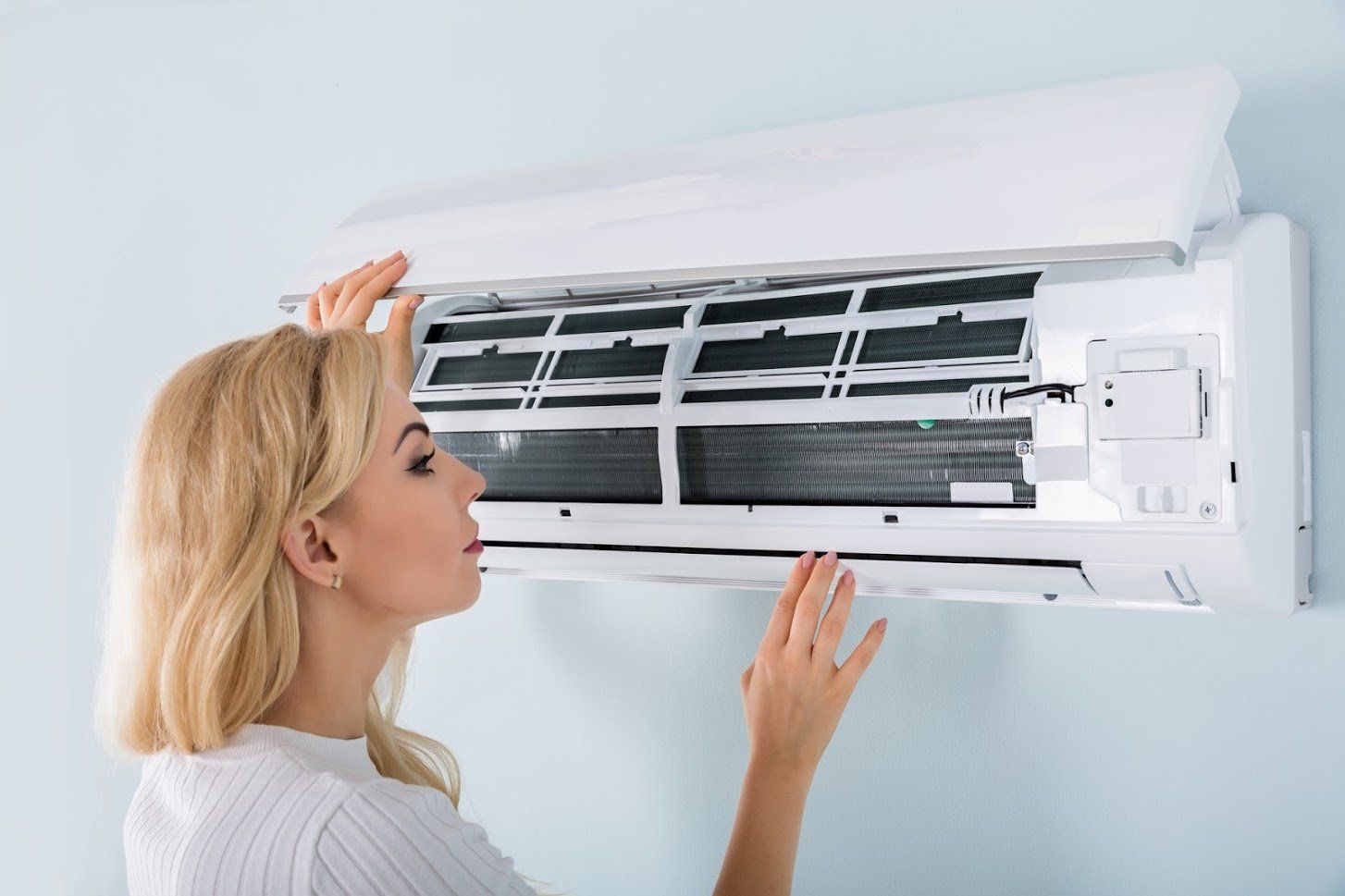
Watch out for signs that your air conditioning system needs a maintenance check. Read this blog to learn more about what to look for and what to do.

Do you want to install new air conditioning? Have you considered a ducted solution? Discover the benefits of installing ducted air conditioning.

If you need a new air conditioning system for your small business, consider choosing a multi-split air conditioner. Learn more about the possible benefits.

